Strength work asks the body to repair. Food is part of that repair. You do not need a shake if you would rather eat a plate, and you do not need to fear a shake if it helps you eat enough on a late day. What matters is that protein shows up, alongside plants and enough carbohydrate to refill the work you did.
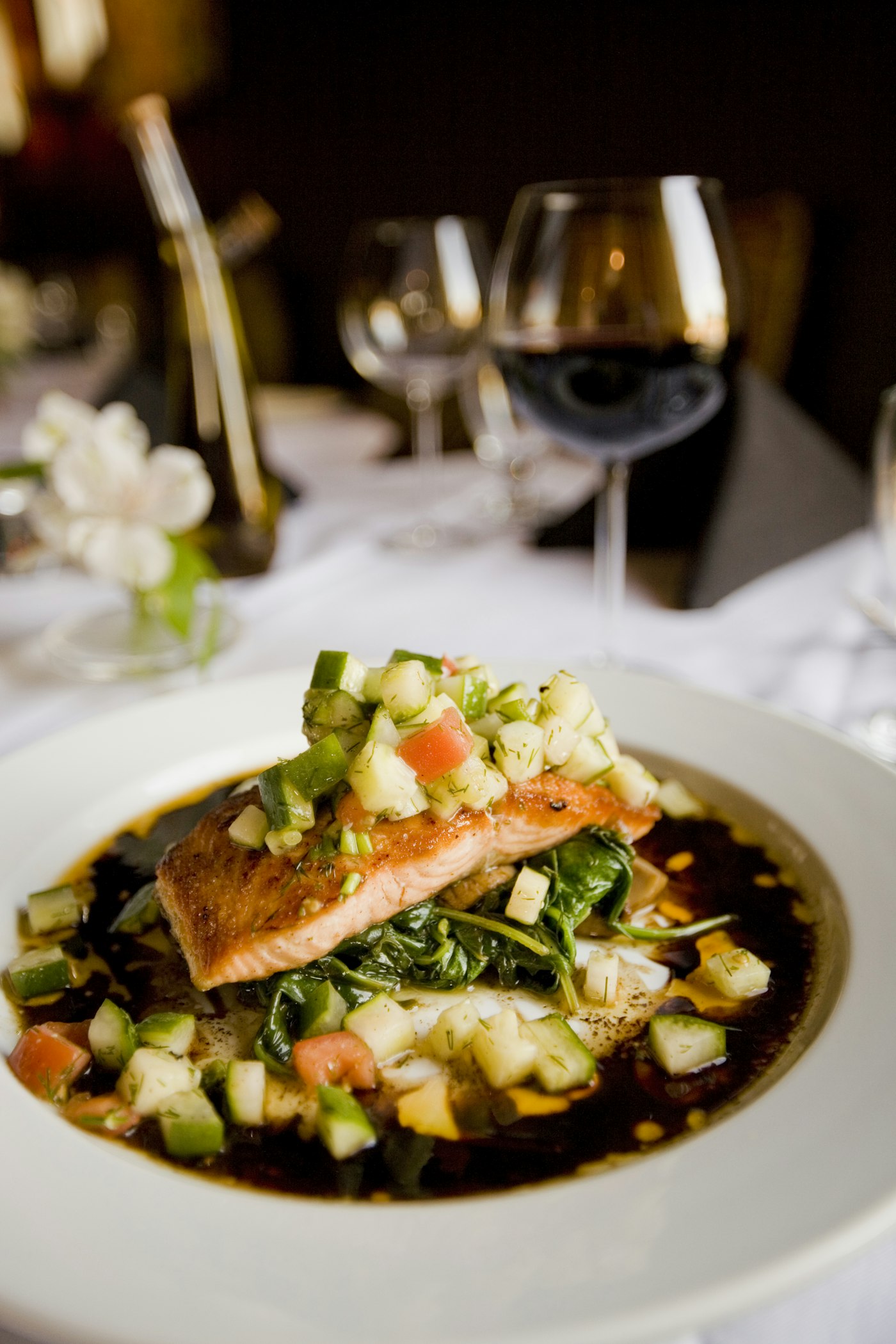
Useful proteins include eggs, yogurt, milk, fish, chicken, tofu, tempeh, beans, and lentils. A salmon dill plate is a fillet, a heap of roasted broccoli, boiled potatoes, and dill yogurt. A bean bowl is rice, black beans, peppers, and avocado. Both are strength plates.
Spread protein across meals instead of saving it all for a giant dinner. Breakfast with eggs or yogurt, lunch with beans or fish, and dinner with another clear protein is easier on appetite and on cooking. A palm-sized portion is a practical starting picture, not a law. Appetite, body size, and training volume change it.
Carbohydrate is not the enemy of strength. Rice, fruit, bread, and potatoes help you train again tomorrow. Fat from olive oil, nuts, and yogurt makes the meal satisfying. Leaving them out to chase a number often backfires by evening.
If you are new to lifting, eat your normal meals and add a protein anchor where a meal is mostly starch. If you are training hard and always hungry, add another portion rather than a new set of rules. Caleb's strength visits at the studio look at the week, not a single perfect day.
Supplements are optional tools, not the foundation. Food first. If you are considering powders or products because of a medical goal, ask a practitioner before you buy a shelf of them.